
We Imagine Alternatives
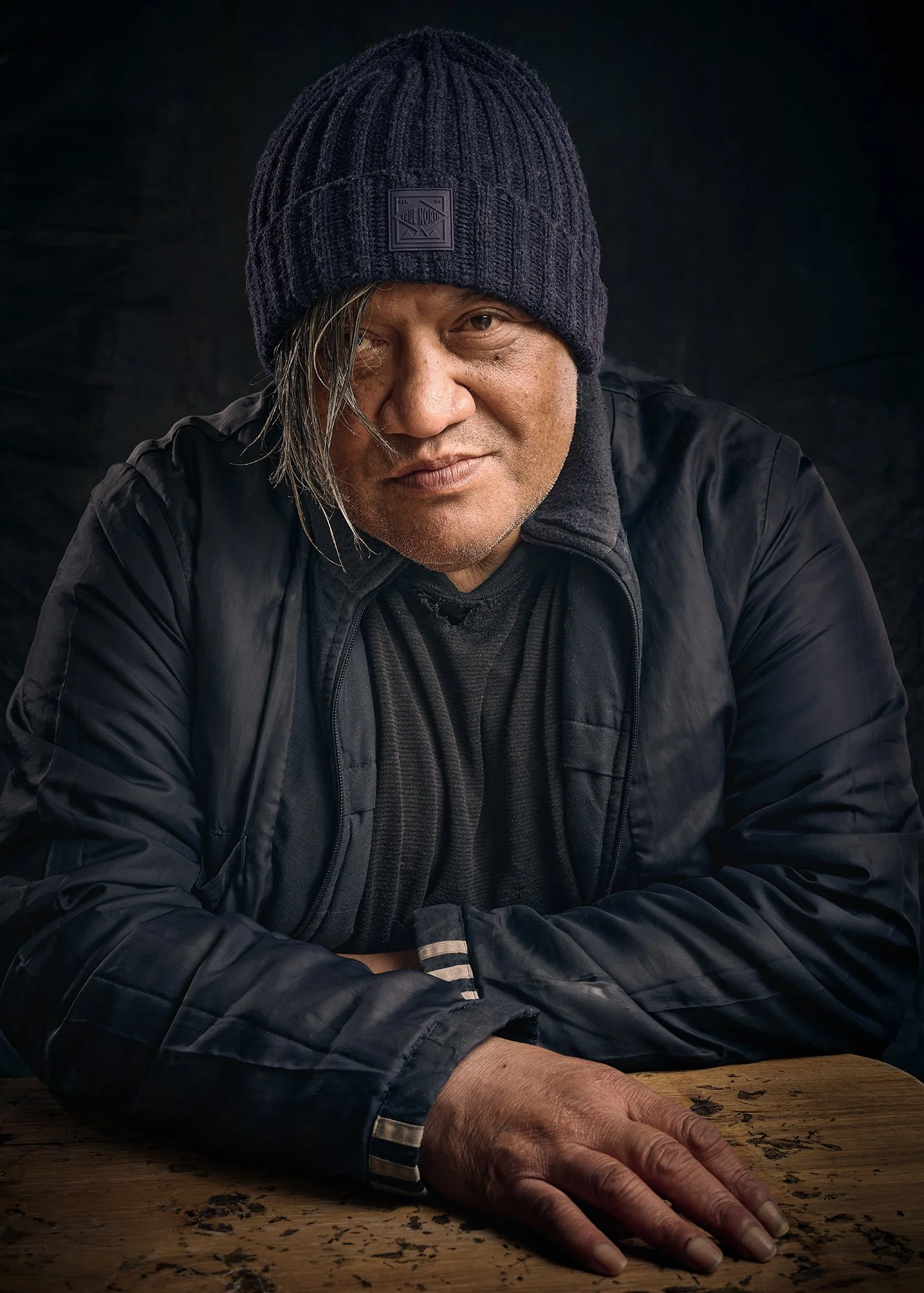
Jimmy. August 2025.
Sometime in the middle of winter last year, I was asked by a producer / friend, Florence, if I’d be interested to work with the Downtown Community Ministry on a project to raise the profile of their organisation and encourage charitable giving from relevant businesses to support the services they provide. DCM operate on the very slimmest of budgets, but make a safe and loving place for the people of Pōneke who are most vulnerable and marginalised. They work with and for people who are experiencing homelessness, and they provide an array of essential services to help lift up those who need them.
Don’t get me wrong - I didn’t know anything about them until that meeting with Florence, and I’ll admit to anyone that I didn’t feel totally equipped to do the project justice. Flo told me about what they do for their whānau each day. When doors open at 9 each morning, there might be up to 100 people waiting for the hot coffee that DCM provide. They begin with karakia and waiata, and the expectations are clear. You’re welcome as long as you’re sober, and you behave respectfully to the kaimahi and other whānau gathered there. Something Flo said really struck me, in that first meeting. That unlike some of the other services available in Wellington, DCM starts each day new, with the whānau who come. If somebody is intoxicated or abusive on one visit, they’re still welcomed back on another day. That immediately resonated with me. Surely we all deserve another chance.
I had a tour of the facilities. As well as the communal spaces where whānau can gather for some warmth, companionship and kōrero, there are a series of other very necessary rooms - for counselling, corrections and social welfare meetings, physiotherapy, a well equipped dental clinic, and a food bank. The day I visited, the food bank was almost empty. A few tins of beans and tomatoes, some rice - I didn’t see the makings of anything luxurious, and supplying food to hungry people is one of the fundamental goals of DCM. They most desperately need more provision. It was pretty confronting, having heard about the crowd that gathers daily, and then seeing how little is readily available. Doesn’t it blow your mind, to think that in Wellington City, there are more than 100 people sleeping rough? I can’t comprehend that large number of souls tucked into our alleyways and stoops. And I was hearing this as winter was in full force, thinking about where I would choose to be if I didn’t have a home. The options aren’t comfortable to consider. Flo and her manager Kara explained to me that most people are only two traumatic events from losing everything. The death of a partner, an injury or illness, loss of a job, an addiction, an abusive relationship - there are so many ordinary things that can happen that can tip the balance from ‘coping’ to hopelessness. Most of the DCM whānau have had four or more catastrophic events in their lives, so you can understand that when trauma piles on trauma, a person would run out of options. I thought about women like my perimenopausal self, sleeping rough and coping without a smart phone, without easy access to a shower and sanitary supplies, without a loving family and a roof over my head. I don’t think I’m as strong as some of these people, and I don’t blame them at all for the times they might escape into drink or drugs to make it feel better.
So, I said yes. Unequivocally yes. Yes to making a series of portraits of willing whānau, to accompany interviews gathered by the DCM staff, and shared as an in-house exhibition and for whatever purposes after that. Yes to this small thing that I can do to support this organisation.
I asked my friend Paula Collier to join me as an assistant to help with lighting and people care on our shoot day. I know she and I were both so affected by our interactions with these souls. Paula gave her time freely, as she too has a fundamental concern with helping the marginalised. I really acknowledge Paula for her generosity, and I know she would tell you that she very much enjoyed our photoshoot with the whānau. She’s somebody with quiet strength and an abundance of empathy. She’s also somebody I trust completely with my clients, whether they’re a big fancy organisation or an anxious series of volunteer models. When I sat editing the photographs after the shoot, I relived our conversations - myself, Paula, Flo and the whānau. The funny little moments and absolute humanity of it all. I couldn’t help but grin back at their faces on my screen, knowing that we had been granted a taonga through that time in their company. The image above shows you Jimmy, who was our first participant, and who twinkled at me and gave me his beautiful face for longer than the others - I was warming up to it all, and he was so patient with me. He was the perfect beginning, and what followed were encounters with others who were equally fun to work with.
Today, in a very different scenario, I sat with our latest Te Whare Hēra artist in residence, who has come to us from France for a ten week stint making art and connecting with people. We were part of the wider student welcome at Massey University Toi Rauwhārangi College of Creative Arts, listening to speeches that were both comforting and galvanising. The students around me come from myriad privileged and difficult backgrounds, but generally from situations where they are loved and supported by family, and emboldened by the opportunity to follow their dreams. One of the speakers said something that struck me, about people in creative fields. She said we are people who imagine alternatives. We creatives take a sometimes meandering path to our destination. We are not straight line people, instead we embrace the whorls and loops. Perhaps these portraits will be a direct hit for somebody, to understand how much the whānau are just like us, that they are our neighbours. But perhaps they will be a pebble dropped in the pond, sending ripples out to touch the toes of an unsuspecting wader.
This has been waiting to pour out of me. I was so deeply affected by my time working with DCM, and while I won’t pretend for one moment that what I did was going to save anybody from experiencing homelessness, or fix any of the problems facing an organisation like that, I can share something of my experience, in the hope that somebody might feel compelled to support them. If you’re one of those who can support a charity that works with people who are in most ardent need, then please visit https://www.dcm.org.nz/